Passwords
A Simple Trick for Creating Strong, Secure Passwords
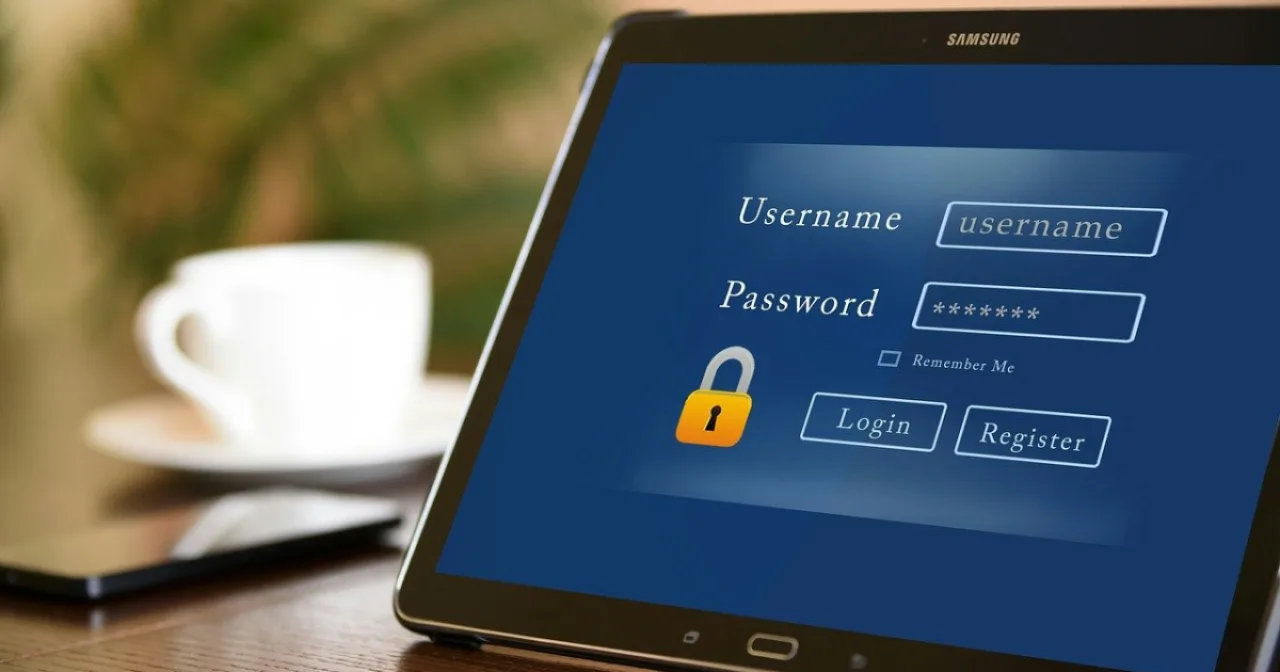
Don't give hackers an easy win: with this simple trick, you can create passwords that are easy to remember and hard to crack.
1. What is password quality?
We constantly hear about "secure" or "strong" passwords. But what does that actually mean, and why does it matter so much? To gain access to internal company information or sensitive data, hackers often simply try to log into the relevant systems with an employee's credentials, guessing the password or "cracking" it with technical tools. If you don't want to make life too easy for cybercriminals, a few things deserve attention: the length of the password, how predictable it is, and whether it is unique. Depending on how easy or difficult a password is to guess or work out, we speak of high or low password quality.
2. Poor password quality is a gift for hackers
Most people have a favorite password that they reuse again and again in slightly modified form. Chances are it consists of a short word, combined with a special character and a few digits, and those digits may well be a date of birth. If that sounds familiar, you are in good company. That habit is exactly what hackers count on. Password quality describes how secure a password is: how long it is, how often it is reused and which components it is built from. Understanding why strong passwords matter is a core part of cybersecurity awareness.
Read more about what cybersecurity awareness is and why it matters for any company.
3. The trick: how to create strong passwords
- Think of a sentence with at least eight words. Ten or twelve are even better.
- The first letter of each word becomes part of your password.
- To make the password even stronger, replace individual letters, such as an "s", with a special character.
- Swap number words such as one or two for digits.
An example: Following this principle, the sentence "A Rabbit has two big Ears and one super fluffy Coat" becomes the password: ARh2bEa1$fC
The result is a secure password that is easy for you to remember, but hard for anyone else to guess or crack.
Just as important:
- Use each password only once.
- Change your credentials regularly.
- Use two-factor authentication whenever possible.
- Never use dictionary words as passwords.
- Use a password manager. It stores your passwords in encrypted form and keeps all of them safely in one place, and many password managers can also generate strong passwords for you.
Summary
Unfortunately, there is no such thing as a one-hundred-percent uncrackable password. But you now know several strategies that make your passwords considerably more secure. From now on, build your passwords from a secret sentence, use each one only once, and organize your different passwords safely in a password manager. Add regular password changes and two-factor authentication, and hackers will have a very hard time indeed. And if you want to turn these habits into second nature across your entire organization, explore our security awareness courses or book a personal demo.
This is exactly what Protectly trains: book a free demo.